
The program began with an introduction to the challenges caused by the 2023 Turkey–Syria earthquakes in Malatya, presented by a municipality representative. This was followed by a lecture from a professor at Istanbul Technical University, focusing on debris management, recycling strategies, and handling hazardous materials such as asbestos.
We then worked on a GIS-based case study using tools like Google Earth to identify suitable locations for debris disposal, considering soil properties and load-bearing capacity. I collaborated with my teammate Shuvo from BME on this task.
On the second day, sessions focused on food-system challenges during disasters and strategies to secure supplies before, during, and after earthquakes. Another lecture from a professor at Universidad Politécnica de Madrid presented lessons from the 2007 Peru earthquake, including low-cost masonry solutions to improve structural safety.
Finally, we completed and presented our case study. Our team achieved 3rd place out of 7 groups, and we were proud to represent BME. The program was a valuable experience both academically and professionally, and we returned to Budapest after a very productive and enjoyable time in Istanbul.
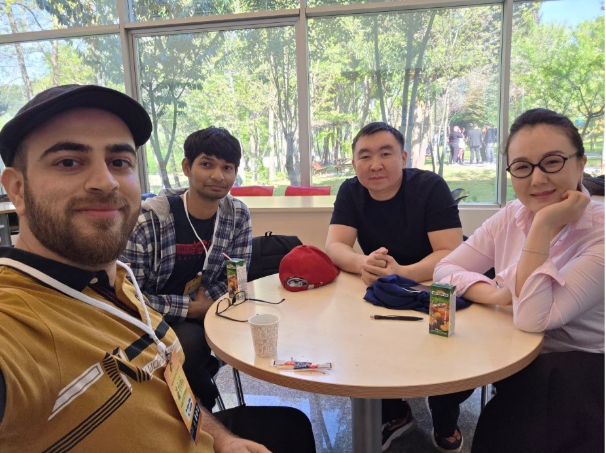
A picture with BME students taken before the programme begins.
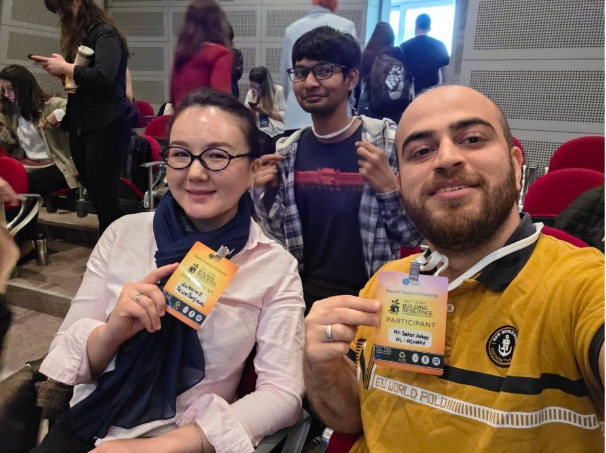
BME students participating in the programme
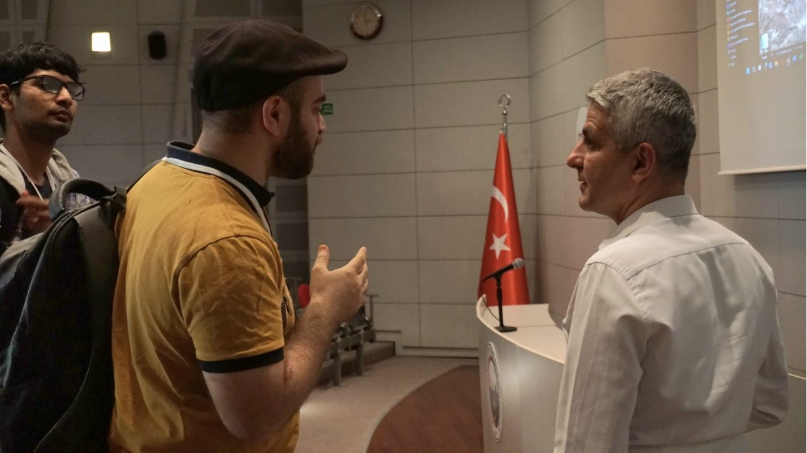
Shuvo and I are discussing with one of the professors, introducing ourselves from BME and talking about the presentation.
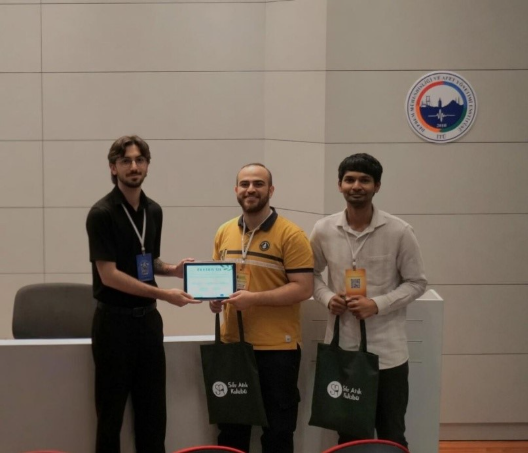
Group 3, Shuvo and I won third place in the case studies competition and presented BME students’ excellence.


